

Living in St Francis Bay, we’re blessed with a lifestyle that many dream of: a morning walk along the canals, a coffee at your favourite spot, and evenings spent with friends who’ve become almost like family. But as we move through retirement—or the years leading up to it—our friendships can take on new dynamics, shaped not only by time but also by money.
It’s something we seldom talk about, yet it quietly influences our social lives.
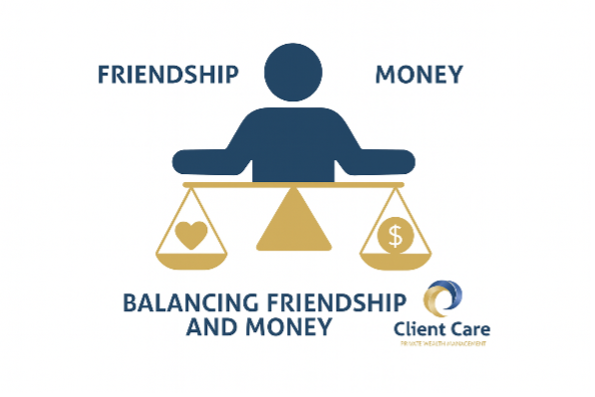
When Means Diverge
Imagine a dinner with old friends. The venue is lovely, the wine excellent. When the bill arrives, it’s split evenly. For some, no problem at all. For others, a little knot of discomfort forms.
Or picture being invited on a group holiday: seaside villas, private tours, fine dining every night. It sounds idyllic, but the price tag gives you pause. Do you stretch your budget and hope for the best, or decline and risk being left out?
These moments are common, especially among friends who’ve known each other for decades. Our financial journeys take different paths, and in retirement those differences often become clearer.
Why Money Matters in Friendships
Money is more than rands and cents—it reflects our priorities, habits, and sometimes our insecurities. While we like to think friendship is above such things, the reality is that differing means can influence who joins in, what activities are chosen, and even how often we gather.
Acknowledging this doesn’t mean blaming anyone. It simply helps us navigate with empathy and understanding.
Practical Ways to Keep Friendship First

A Final Thought
At the heart of it, friendship isn’t about consumption but connection. And like the tides in St Francis Bay, relationships shift and change. Some grow closer, others drift a little apart. That’s natural. What matters is the intention: to cherish the bonds that still bring joy, while allowing space for change without regret.
Dirk Groeneveld, Certified Financial Planner
t. 083 261 9287
—
Previous Columns:
- How Many Good Summers Do You Have Left?
- Retire With A Plan. Then Tear It Up.
- It May Be Time to Reconsider What Retirement Means to You
- We Love A Sale, Except When Investing
- The difference between saving and investing
- Where is our focus?
Read more on Salute Your Own Self at Client Care


Recent Comments