10 Places That Feel Illegal, But Aren’t

The Quiet Instinct

Some places trigger a quiet instinct that says you should not be here. No sign tells you to leave. No guard waves you away. And yet something in the atmosphere hums with tension. These are destinations that feel restricted, classified or slightly off-limits, even when they are technically open.

Strategic Isolation

The Chagos Archipelago in the middle of the Indian Ocean carries that energy immediately. Most people associate it with Diego Garcia, a major military installation surrounded by vast coral atolls. At the same time, there is a long-running sovereignty dispute between the UK and Mauritius, along with a history of displaced islanders. On a satellite image it looks like untouched paradise. In reality, it feels like something you were not meant to zoom in on.

Similarly, Pripyat, inside the Chernobyl exclusion zone, delivers a different kind of tension. Rusted ferris wheels stand still. Apartment blocks are swallowed by forest. Schoolbooks remain scattered on desks. Authorised tours operate daily, yet the silence feels absolute. You are walking through infrastructure built for 50,000 people with no one left to use it.

Desert Reclamation

In Namibia, Kolmanskop sits half-buried in desert sand. Once a diamond boomtown, it is now a skeletal grid of pastel houses filling steadily with dunes. It is open to visitors and cameras are welcome. Even so, stepping into a room where sand has settled waist-high feels like entering someone else’s unfinished story.

The Travel Collective

Concrete Relics

Out at sea, Hashima Island, also known as Gunkanjima, rises like a concrete battleship. It was once densely populated. Now it stands empty and eroded. Guided visits allow limited access, yet the stacked apartment blocks and crumbling stairwells feel like a film set that forgot to wrap production.

High Arctic Tension

Far north, Svalbard operates under unusual treaty conditions in the high Arctic. Polar bear warning signs mark the edge of town, while a global seed vault is carved into permafrost nearby. You can visit freely. However, the scale of the mountains and the cold clarity of the light make you feel temporary.

Meanwhile, North Sentinel Island is visible only from a distance. The Sentinelese reject contact and the Indian government enforces strict exclusion zones around it. Boats pass offshore, keeping their space. The island sits on modern maps as a reminder that some places remain intentionally untouched. Even discussing it feels intrusive.

Extreme Landscapes

In Ethiopia, the Danakil Depression looks almost extraterrestrial. Acid pools, sulphur fields and neon mineral crusts stretch across a landscape where heat pushes human tolerance. Guided expeditions operate, yet the terrain feels openly hostile to life. You do not feel welcomed. Instead, you feel tested.

Back in Namibia, the Skeleton Coast stretches along a foggy Atlantic edge where shipwrecks decay slowly in sand. Access is controlled through permits and remote lodges. As a result, the emptiness feels deliberate, as if the coastline prefers to remain unvisited.

Across the Mediterranean, Varosha, part of Famagusta, stood sealed for decades after 1974. Portions have reopened under limited access. Hotels remain frozen mid-century, their balconies exposed to sea air. You walk streets that once hosted celebrities and now host wind.

Finally, Socotra feels invented. Dragon’s blood trees rise above limestone plateaus and turquoise coves. Politically complicated and logistically demanding, it sits at the intersection of isolation and tension. The landscape is beautiful. The context gives it weight.

The Edge of the Map

The common thread here is not danger. It is atmosphere. These places sit where geography, politics, abandonment or extremity overlap. In a world of curated itineraries and signposted experiences, they remind you that parts of the map still carry edge. And perhaps that quiet edge is exactly what makes them compelling.

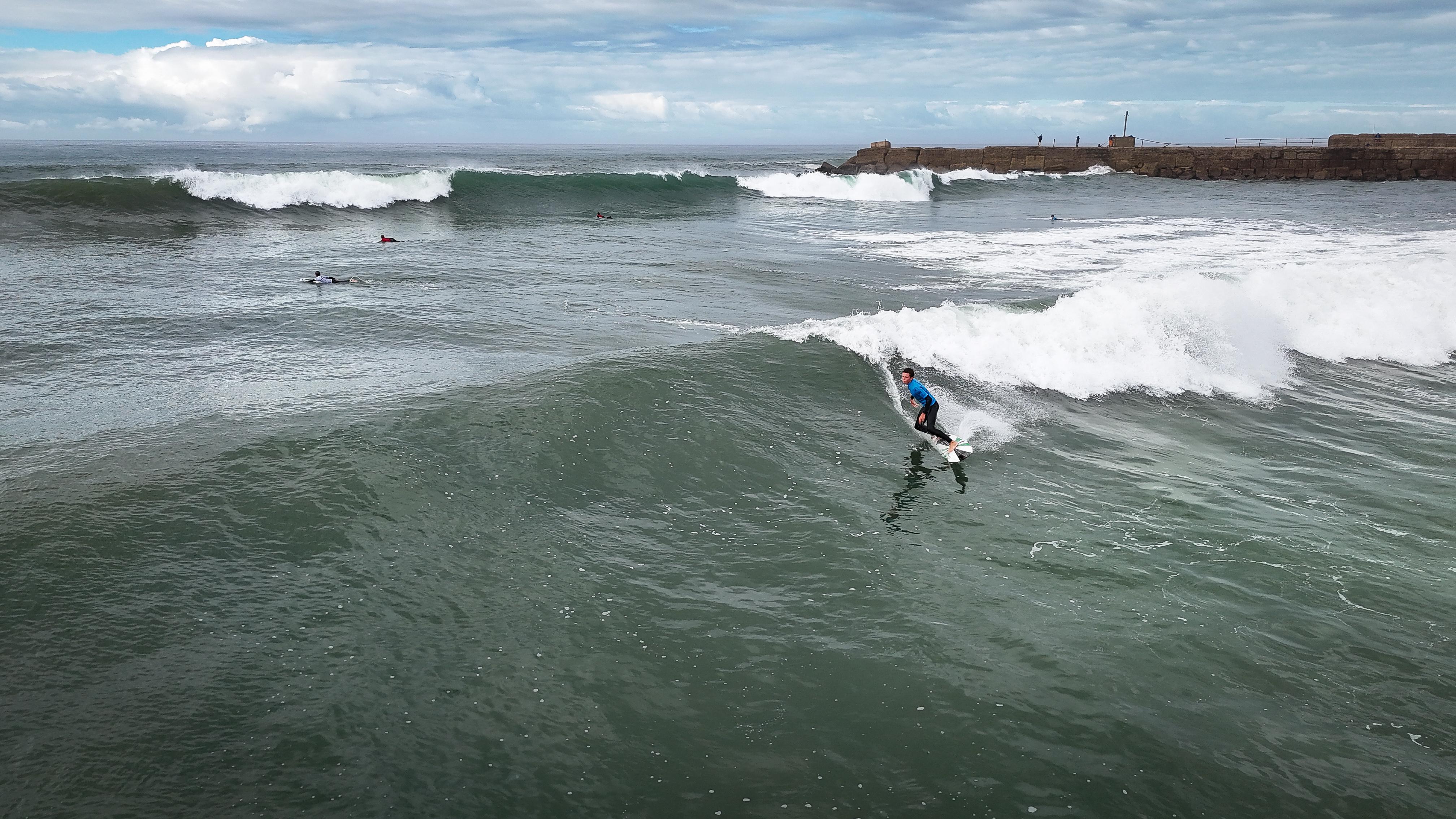
The Sand Pumping Is Coming To St Francis Bay Beach

Equipment in Place, Final Preparations Underway

Beach users will already have noticed that equipment is in place along sections of the St Francis Bay shoreline, and that some sand-pumping tests have been taking place over the last week or so. This forms part of the final preparation phase ahead of the sand pumping kicking off, which is expected to happen once the remaining preparatory steps are completed.

While sand pumping has not yet officially started, the presence of machinery and pipelines reflects a transition from planning into readiness. Once pumping begins, there will be periods of increased activity along our beachfront. It’s quite exciting, to be honest.

Where the Sand Comes From

Much of the sand to be used in this process comes from the natural build-up and silting of the Kromme River. Over time, sediment accumulates within the river system and needs to be managed to maintain its function.

By relocating this sand to the beachfront, the process supports both river management and beach restoration. The sand is transferred through a controlled pipe system and placed strategically along selected sections of the shoreline, where natural coastal forces then shape and redistribute it over time.

Why Groynes Matter at This Stage

A critical factor in this phase is the role of our recently constructed groynes. These structures are designed to retain sand once it is placed on the beach. As a result, initial sand distribution will be limited to sections of the St Francis Bay beach where a groyne has already been completed.

Construction on additional groynes continues alongside this work. As each groyne reaches completion, further areas of the beach will become suitable for sand placement. This staged approach ensures that sand is placed where it can be held effectively. Surfers are waiting patiently….

What to Expect as the Process Rolls Out

Waves. Peaks and bowls. A-frames. Maybe some barrels. Technically, when sand pumping begins, changes in the beach profile are likely to appear at different rates along the bay. Some areas respond quickly, while others adjust more gradually as the beach system settles and redistributes material. Sand pumping represents an important step within the broader coastal management process.

Read more: Kromme Enviro-Trust St Francis erects signage highlighting the existence of African Black Oystercatcher nests.

Foot And Mouth Disease Update – Vaccination rollout begins in Kruisfontein, Humansdorp

Vaccination of livestock in the Kruisfontein area of Humansdorp is now under way following the arrival of the first batch of vaccines. Local farmers have been briefed on the process and are ready for the rollout, which starts in the affected zone today.

Because vaccine supply is currently limited, the first phase focuses on livestock within the immediate outbreak area. As additional doses become available, surrounding areas will be included in the programme.

At present, 58 animals have tested positive within the designated isolation camp. A further ten cases have been confirmed on private property, where those animals remain isolated under supervision. Containment zones have been clearly identified within the affected areas, and any additional sick animals will be moved into these controlled spaces to reduce the risk of further transmission.

Monitoring and surveillance continue in neighbouring communities, including KwaNomzamo, with veterinary teams keeping a close watch for any signs of spread.

Movement restrictions remain in place

Farmers are reminded to strictly limit the movement of livestock. Animals must remain confined, and no livestock may move into or out of the Kruisfontein area without official permission and the required documentation. Transport within or beyond the affected zone is regulated, and enforcement action will follow any unauthorised movement.

Residents who notice roaming livestock are encouraged to report this to the Kouga Call Centre on 042 200 2200 or via WhatsApp on 081 760 9183. Community cooperation remains essential in containing the outbreak and protecting the wider agricultural sector.

Read More From Kouga Municipality

Road Closure Notice: R330 from Links and Oyster Bay Turn-off To Humansdorp On 19 February

Road Closure Notice As M&G Investments PE PLETT 2026 Heads Through St Francis Bay

Residents are advised of the road closure notice as the 2026 edition of the M&G Investments PE PLETT cycle event will take place from Thursday, 19 February to Sunday, 22 February 2026. This well-known multi-day ride links the Eastern Cape coastline with the Garden Route, drawing around 250 cyclists to the region.

This year’s route begins at St Francis Links Golf Course in St Francis Bay. From there, riders will cover more than 280 kilometres over four days, travelling through a mix of coastal roads, rolling farmland and forested stretches before finishing in Nature’s Valley. The event is known for its strong field of recreational and experienced riders, as well as the logistical support that moves with the group from start to finish.

Road Closure: Thursday Morning

To ensure rider safety during the departure from St Francis Bay, a temporary road closure will be in place on Thursday, 19 February 2026.

The section of road from the corner of the R330 and the Oyster Bay turn-off, near Twenty-Two Eatery and River Club, through to the corner of Park Street and the gravel road turn-off to Oyster Bay, will be closed to all vehicles from 08:00 to 08:30. This 30-minute window allows the full group of cyclists to clear the area safely.

Motorists are encouraged to plan ahead and make use of alternative routes during this time to minimise disruption.

Community Support Welcome

Residents and visitors are invited to line the route and show their support as the riders roll out of town. A strong local turnout always adds to the atmosphere and sends the cyclists off in good spirits for the long road ahead.

Read More From Kouga Municipality

Royal St Andrews Hotel Rip Curl Cup Upgraded, With QS 4,000 Men’s and QS 2,000 Women’s Ratings

Staged as an anchor event of the Port Alfred Easter Festival, this contest represents the last opportunity for many surfers to secure critical points before the close of the regional QS. With qualification scenarios coming down to final heats, performances in Port Alfred are expected to carry decisive weight.

A Pivotal Event on the Qualifying Series Calendar

As the final stop on the Qualifying Series, the Rip Curl Cup holds particular significance for surfers positioned around qualification cut-off points. The men’s QS 4,000 rating offers a substantial points allocation, while the women’s QS 2,000 rating remains a meaningful opportunity within the regional structure.

Rip Curl Cup Upgraded
Scenes from the 2025 Royal St Andrews Rip Curl Cup © Kody McGregor

Read moreabout the Port Alfred Easter Festival

The contest operates within the competitive framework of the World Surf League, ensuring results contribute to internationally recognised rankings and career progression. Heat formats, judging criteria, and priority rules align with global standards, providing clarity and consistency for competitors and spectators alike.

With season outcomes on the line, the event is expected to attract a strong field, including surfers managing qualification pressure as well as those aiming to consolidate their positions heading into the Challenger Series.

Part of the Port Alfred Easter Festival Programme

A defining characteristic of the Rip Curl Cup is its lead role in the Port Alfred Easter Festival. The contest runs alongside a wide range of festival activities, creating a bustling, engaged town throughout the event window.

This setting allows spectators to watch high-level competitive surfing up close, while surfers benefit from competing in front of large, knowledgeable crowds. The combination of professional sport and festival atmosphere has become a hallmark of the event.

Supported by title sponsor Royal St Andrews Hotel and Rip Curl, the Royal St Andrews Hotel Rip Curl Cup hallmarks a new start to the festival’s gravitas. The current ratings reflect that progression and underline the event’s role as one of the most consequential contests on the regional calendar.

With final points, rankings and qualification outcomes in play, this year’s Royal St Andrews Hotel Rip Curl Cup is set to be a defining moment in the Qualifying Series season.

Royal St Andrews Hotel Rip Curl Cup Entries here – good luck!

Verified by MonsterInsights