
by SFT | Sep 21, 2026 | St Francis, Travel News
Mauritius did not become a South African holiday favourite by accident. It offers something genuinely tropical without demanding a punishing journey, complicated planning or a complete raid on the annual leave balance.
For many South Africans, it feels far enough away to be exciting. However, it remains close enough for a manageable family holiday. That combination has made the Indian Ocean island a reliable winner for decades.
A Tropical Holiday Within Easy Reach
Mauritius sits around 2,000 kilometres off Africa’s southeast coast. Direct flights from South Africa make the journey relatively simple.
After a few hours in the air, travellers can swap traffic, deadlines and unpredictable weather for warm water, palm trees and a hotel pool. There is no overnight long-haul flight or serious jet lag to manage.
The island also knows how to welcome South African visitors. English is widely understood, driving takes place on the left, and the time difference is minimal. Even the plug points often look reassuringly familiar.
Resorts Made Family Holidays Easier
Mauritius built much of its popularity on well-run beach resorts. Many offer meals, entertainment, water sports and children’s activities in one package.
This makes budgeting easier for families. Parents can relax while children spend the day swimming, snorkelling, sailing or hunting for the next soft-serve ice cream.
Couples have plenty of options too. Smaller hotels, private villas and adults-only resorts have helped Mauritius move beyond the traditional family package holiday.

More Than Beaches And Buffets
The island’s appeal extends beyond the resort gates. Visitors can explore markets, waterfalls, mountain trails, botanical gardens and small coastal villages.
Mauritian food brings together Indian, Creole, Chinese, African and European influences. Dholl puri, seafood curries and roadside snacks add plenty of flavour between beach sessions.
Then there is the water. The clear lagoons suit swimming, snorkelling, diving, fishing, sailing and paddling. Surfers also know Mauritius for its powerful reef breaks.
Mauritius gives South Africans sunshine, convenience and a genuine overseas experience without sending them halfway around the world. That is how one small island became a very big favourite.
—
The Travel Collective St Francis Bay gets you there.

by SFT | Sep 16, 2026 | St Francis, Travel News
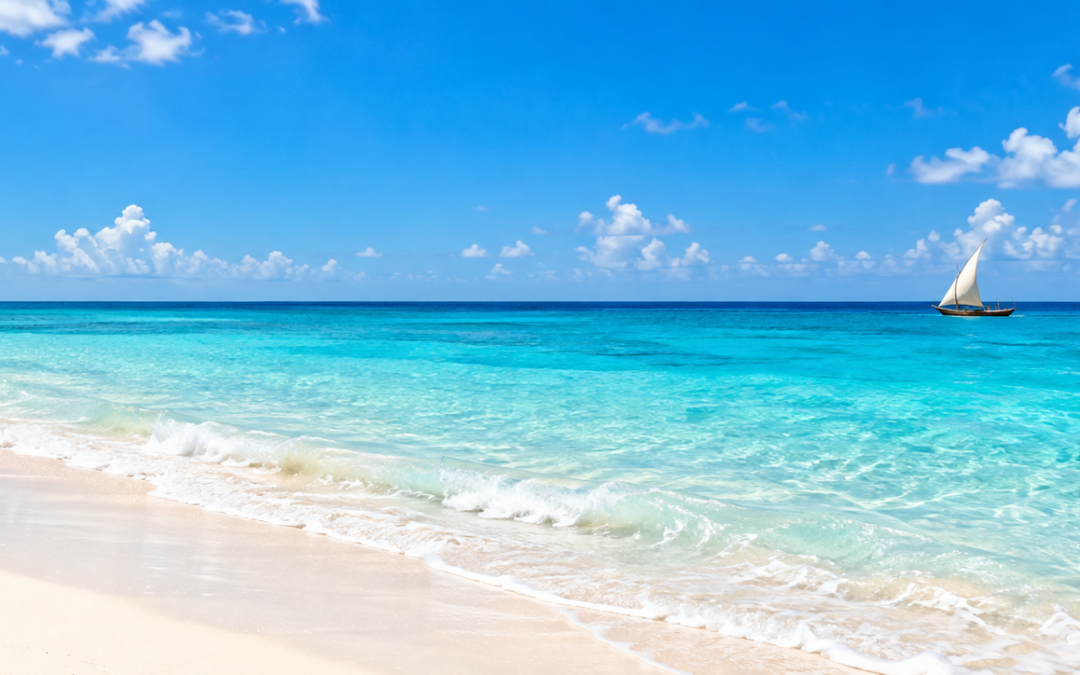
The Eastern Cape has endured enough rain, cold fronts and grey skies. Mozambique offers a warmer alternative, with long beaches, tropical sunshine and the Indian Ocean doing a convincing impression of summer.
by SFT | Sep 14, 2026 | St Francis, Travel News
The easterly has spent much of winter driving rain against the windows. Cut-off lows have crossed the Eastern Cape, while the clear days have appeared briefly and disappeared just as quickly.
St Francis Bay has taken a battering. Gardens are waterlogged, outdoor plans remain uncertain and every promising weather window seems to close before anyone can use it.
At this stage, a few days in the sun sound less like a holiday and more like essential maintenance.

The destination needs to deliver warmth, daylight and time outdoors. It should also feel like a proper escape without turning into an expensive expedition. Zanzibar and Nusa Lembongan both fit the brief, although they offer two very different versions of island life.
Zanzibar places the Indian Ocean at the centre of everything. Warm water, pale beaches, spice markets and the narrow streets of Stone Town create a holiday with more depth than a week beside the pool.
However, doing very little remains entirely acceptable. A day can revolve around a swim, a seafood lunch and finding somewhere comfortable to watch the light change. The dry season generally continues through September and October, with warm conditions and less rain.
Then there is Nusa Lembongan, a small Indonesian island sitting just off Bali. It is reached by a fast-boat crossing of around 30 minutes from Sanur.
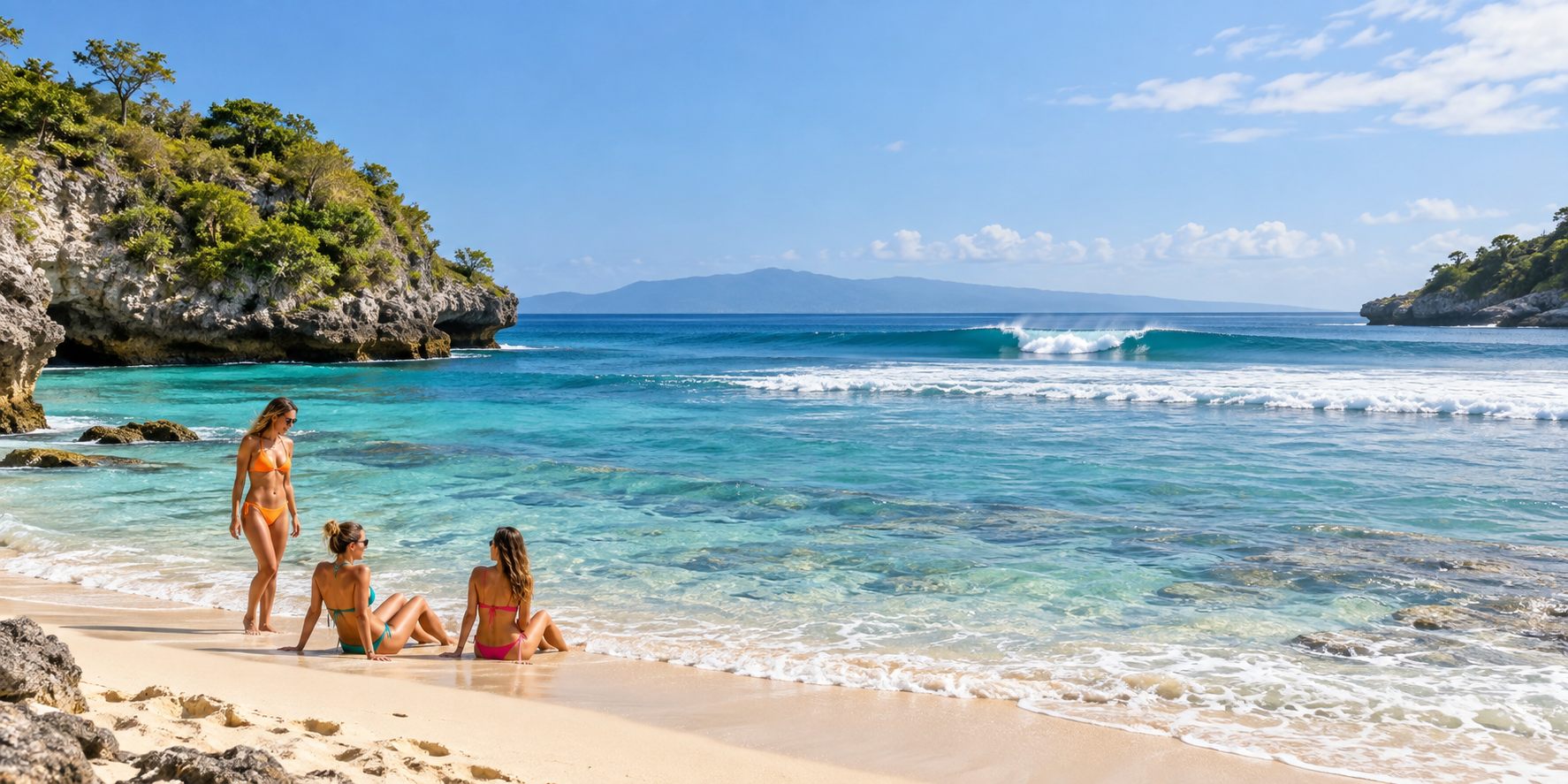
Lembongan feels removed from Bali’s traffic and busier resort areas. The island offers warm water, reef breaks, quiet beaches, small hotels and seaweed farms. Its scale also makes it easy to settle into a slower rhythm.
September falls within the generally drier part of the year. It also comes after the busiest July and August period, which can create better opportunities for accommodation and a less crowded stay.
Neither trip needs a complicated itinerary. The appeal lies in sunshine, warm evenings and several uncomplicated days outdoors. Moreover, both destinations can work for couples, families or travellers who simply need to change the view.
Affordability will depend on travel dates, flight availability and the type of accommodation selected. That is where careful planning can make a substantial difference.
The Travel Collective can compare routes, accommodation and package options for both destinations. They can also shape the trip around the available budget instead of forcing the budget around a standard package.
After the winter we have endured, the enquiry may be worth making. Zanzibar or Nusa Lembongan could provide exactly what the Eastern Cape has been missing: warmth, blue skies and a decent dose of vitamin D.
by SFT | Aug 19, 2026 | St Francis, Travel News
There is a strange pressure attached to holidays these days. You arrive somewhere beautiful and immediately feel obliged to start doing things. There are mountains to climb, reefs to dive, golf courses to play, museums to visit, restaurants to book and local attractions that apparently cannot be missed.
Or you could ignore all of it.
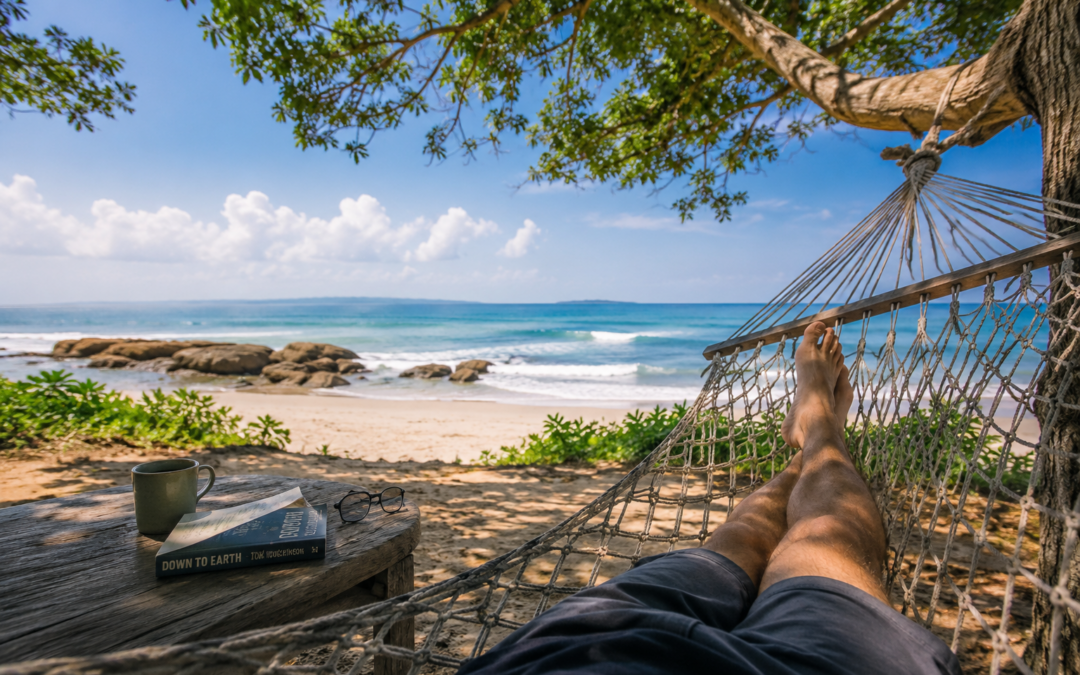
There is a strong argument for taking a holiday where the main objective is to do diddly. Wake up when you wake up. Make coffee. Sit somewhere pleasant. Read three pages of a book, put it down and stare into the distance for half an hour.
Leave The Itinerary At Home
The key is not to replace work stress with holiday stress. You don’t need to get up at 6am because somebody online said the sunrise from a particular hill is spectacular. You don’t need 14 restaurant bookings, a diving excursion, a hiking route or a carefully planned cultural programme.
Also, you don’t need to know what’s going on.
Get off the screens. Don’t spend half an hour flicking through 70 television channels in a foreign country trying to find the one broadcasting in a language you understand. Do not doom scroll. Don’t keep checking the news to see what fresh disaster has unfolded while you were having breakfast.
In fact, don’t check anything unless you really need to.
The emails can wait. So can the messages, the weather back home, the sports results and whatever argument everyone is having online today.
Doing Diddly Properly
Find somewhere comfortable, preferably with a beach nearby, and slow everything down. Breakfast can become lunch. Lunch can drift towards sundowners. A swim is optional. Shoes become increasingly unnecessary.
Surfing deserves a small exemption. If you wake up and there are clean little waves peeling down the beach, it would be ridiculous not to have a board nearby. Have a surf, come back, eat something and resume doing diddly.
You might finish a book. You might sleep in the afternoon. Or you might spend an unreasonable amount of time discussing where to have dinner.
And when somebody asks what you did on holiday, the answer is simple.
Not much.
—
Further reading:
Réunion Island Delivers A Different Kind Of Indian Ocean Escape For South Africans
When your world starts to press in, Happy Hour awaits in Mauritius
by SFT | Jul 8, 2026 | St Francis, Travel News
Planning a holiday is exciting, especially when it involves getting out of St Francis Bay during the depths of winter. Holiday packing, on the other hand, is an entirely different discipline. Somewhere between deciding what to take and trying to zip the suitcase shut, otherwise sensible people begin making some extraordinary decisions. We stop packing for the holiday we’re actually taking and start packing for the holiday we imagine we’ll have.
That’s when things become interesting.
Holiday Packing For The Person You Hope To Become
Holiday packing has very little to do with the destination. Instead, it reflects our optimism. We pack for the fitter, more organised and more adventurous version of ourselves that seems certain to emerge the moment we arrive. A week at the coast suddenly requires hiking boots, running shoes and enough exercise clothing to train for a marathon, despite the fact that the nearest we’ll get to cardio is walking to the coffee shop.
Books are another reliable giveaway. Many of us pack three, convinced we’ll finally find time to read. The reality is rather different. One book is opened, a few chapters are read, and then it spends the rest of the holiday acting as a bookmark for the bedside table.
Then there are the chargers. Nobody really knows what half of them belong to anymore, but leaving one behind feels strangely irresponsible. Add an extension cord because holiday accommodation never has enough plug points, a rain jacket “just in case”, and a jersey for those cool evenings that rarely materialise, and the suitcase begins to take on a life of its own.
The Holiday Packing Reality
Eventually the holiday comes to an end and the unpacking begins. That’s when the evidence is impossible to ignore. The formal shirt never left its hanger. The emergency jacket stayed folded. The hiking boots enjoyed a relaxing break at the bottom of the suitcase, while the expensive running shoes returned home looking suspiciously new.
The holiday photographs tell the real story. In almost every picture, we’re wearing the same three T-shirts we packed first. They were comfortable, familiar and exactly right from the beginning.
Perhaps that’s the real lesson about holiday packing. We don’t pack for the people we are. We pack for the people we’d quite like to be for a week. Somehow that version of ourselves always seems just one more holiday away.
The strange thing is that none of this changes our behaviour. Next time we’ll still pack the extra book, the backup jacket and the mysterious charger that probably belongs to a phone we no longer own. Because hope, it turns out, takes up surprisingly little room in a suitcase.
Want to pack for your next trip? Check in with St Francis Bay Travel Agency The Travel Collective
Read more:
The Wavepool Surf Tour Is Built For Every Kind of Surfer – Surfing has never belonged to just one type of athlete. Longboarders, bodyboarders, and adaptive surfers
by SFT | Jun 23, 2026 | St Francis, Travel News






Recent Comments