by SFT | Sep 30, 2026 | St Francis
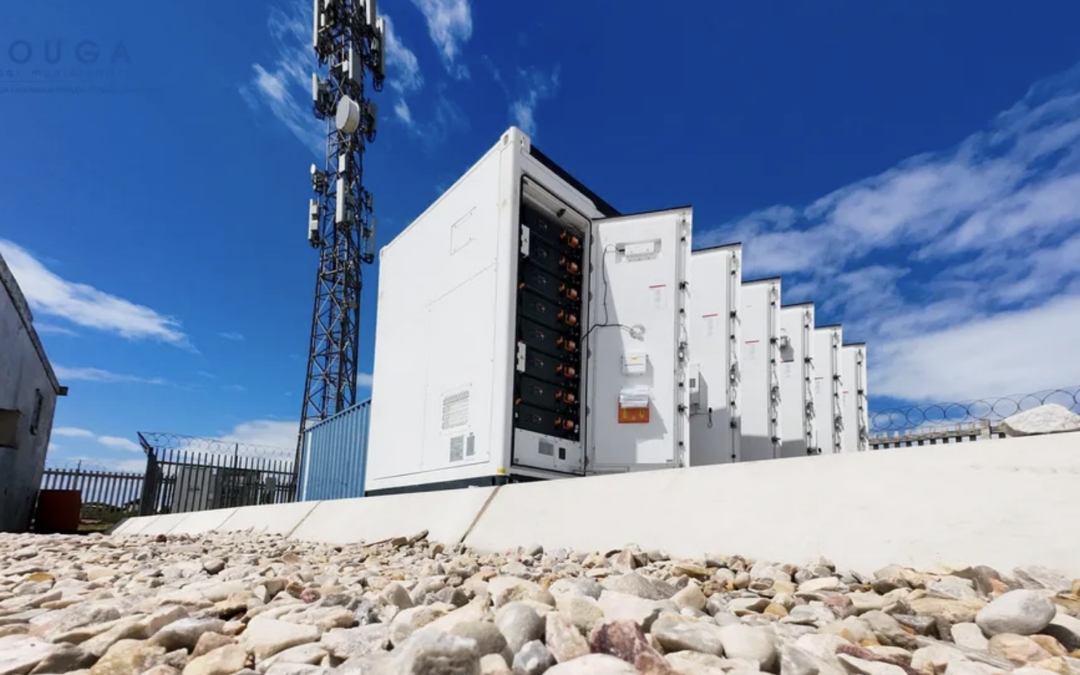
ST FRANCIS BAY – Kouga Local Municipality is leading the way in municipal energy innovation with the commissioning of South Africa’s first municipal-scale Battery Energy Storage System (BESS) in St Francis Bay.
The R24 million project is designed to help Kouga manage growing electricity demand, reduce costly peak-period electricity purchases and improve the municipality’s ability to restore power to residents more quickly.
The system, which has a capacity of 2MW;5MWhr, can discharge 2MW of power for up to five hours.
A smart investment for Kouga
St Francis Bay has experienced significant growth in electricity demand, resulting in repeated exceedances of its Eskom Notified Maximum Demand (NMD). During the 2024/25 financial year, these exceedances resulted in penalties of approximately R3.2 million.
Instead of simply increasing the municipality’s electricity allocation, Kouga investigated alternative solutions and identified battery storage as a more strategic investment.
“This project demonstrates what can be achieved when a municipality looks beyond traditional solutions and invests in innovation. We are not simply buying a battery; we are investing in the future resilience of our electricity network and in better service delivery to our communities,” said Kouga Executive Mayor, Hattingh Bornman.
Increasing St Francis Bay’s NMD allocation by only 2MVA would have required approximately R12 million in securities and financial guarantees to Eskom. The BESS provides Kouga with an opportunity to manage demand while also creating a platform for future energy initiatives.
Faster restoration of electricity
One of the immediate operational benefits of the BESS became clear during commissioning.
Under normal circumstances, restoring electricity to the St Francis Bay area following a major interruption could take approximately two hours. During testing, the battery-assisted system helped reduce the restoration time to about 45 minutes.
“This is particularly exciting because it shows that the battery is not only about managing costs. It can also support our teams in restoring electricity more quickly and strengthening the resilience of our network,” Bornman said.
How the battery works
The battery will be charged from the electricity grid during off-peak periods, when electricity is cheaper. Stored energy can then be used during peak periods when electricity costs more and demand on the network is highest.
During the winter peak period, Kouga plans to use the battery to assist with morning and evening peaks. During the rest of the year, it will primarily be used during weekday evening peak periods.
The system will not normally operate over weekends because these periods are not subject to the same peak electricity charges.
The battery has a 10-year guarantee, with its operation limited to a maximum of 365 cycles per year in accordance with the warranty conditions.
More value from every rand
The project cost approximately R24 million, including the battery system, supporting infrastructure, network upgrades and integration work.
Because the supporting infrastructure is now in place, additional battery units at the same location could also be installed at a significantly lower cost.
“We are very pleased that technological advances and a competitive procurement process have allowed Kouga to deliver this project at around half of what a similar installation could have cost us two years ago. This is a good example of how innovation can create opportunities for municipalities to invest more strategically,” Bornman said.
Looking to the future
The St Francis Bay BESS is also an important learning platform for Kouga. The municipality will monitor the system’s performance, including peak demand reduction, electricity savings and network benefits.
This information will help guide future energy investments and determine where additional battery systems could provide the greatest benefit.
“If the results confirm the financial and operational benefits we anticipate, we will certainly investigate rolling this technology out to other areas of Kouga,” said Bornman. “Our priority will be areas where electricity demand is already close to, or exceeding, the available capacity. In the long term, this approach could help us manage our overall Eskom account more effectively.”
The technology has also attracted interest from Sungrow, the international technology provider, which has indicated its intention to explore the St Francis Bay installation as a potential research and development platform in partnership with Kouga Local Municipality.
For Kouga, the project represents more than an investment in a battery. It is a practical step towards greater energy resilience, improved service delivery and a more innovative approach to managing the municipality’s electricity network.
“Kouga is proud to be at the forefront of municipal innovation. This project gives us an opportunity to learn, to improve and ultimately to find smarter ways of delivering reliable services to our residents. We believe this is only the beginning of what can be achieved,” Bornman said.
by SFT | Sep 30, 2026 | St Francis
There has been an important development in the proposed 5 200 MW nuclear power project at Thyspunt.
The Department of Forestry, Fisheries and the Environment (DFFE) has accepted Eskom’s Final Scoping Report, which means that the application can now move into the full Environmental Impact Assessment (EIA) phase.
That sounds significant, and it is, however, it is equally important to understand what it does not mean.
Following questions raised about the acceptance, DFFE has specifically clarified that it does not constitute “approval of the proposed project or predetermine the outcome.” A decision on whether Environmental Authorisation should ultimately be granted will only be made after the Environmental Impact Assessment Report and supporting information have been submitted and considered.
In simple terms: the project has been allowed to move to the next stage. It has not been approved.
The Relevance for St Francis Bay
It is worth reminding ourselves just how local this issue is.
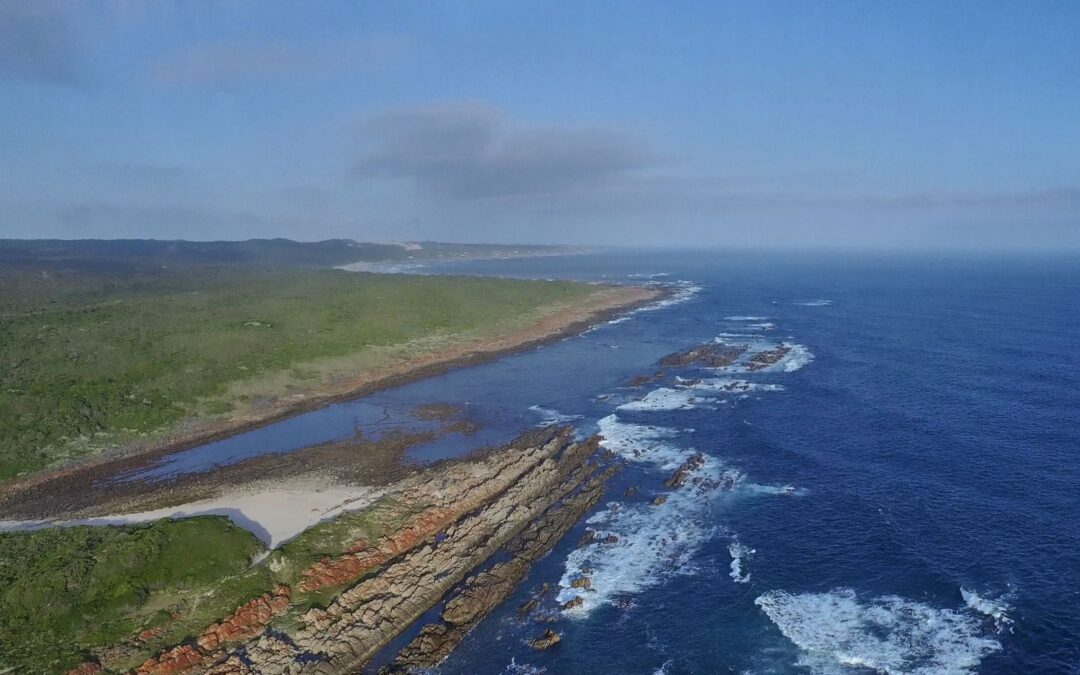
St Francis Bay lies within a 12 km radius of the proposed Thyspunt site. This is not a development happening somewhere far removed from our community. The EIA will need to consider not only the proposed nuclear power station itself, but also the infrastructure and activities that would be required to construct and operate a project of this scale.
These include roads and transport, transmission infrastructure, construction facilities, worker accommodation, cooling systems, desalination and water infrastructure, wastewater treatment, marine intake and outfall structures, spoil disposal and spent fuel storage. DFFE has specifically required Eskom to assess the reasonable and feasible alternatives for this associated infrastructure as part of the EIA.
The potential effects therefore extend well beyond the footprint of the power station itself.
Full story on the Kromme Enviro-Trust website
by SFT | Sep 28, 2026 | St Francis
There are some events you attend because they are on the calendar. And then there are those that just feel very St Francis.
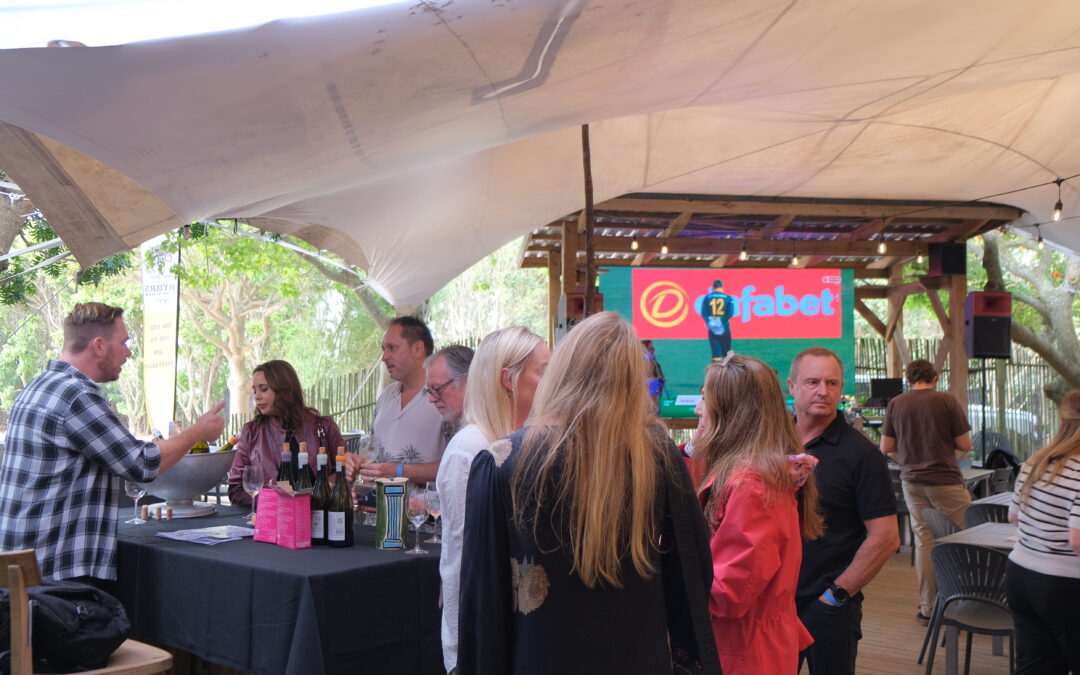
The TOPS Classic Wine Tasting at Barney’s Riverclub was definitely the latter.
From the moment people started arriving, there was a great energy about the place. Familiar faces, friends catching up, glasses in hand and plenty of conversation as guests worked their way through wines from more than 26 producers.
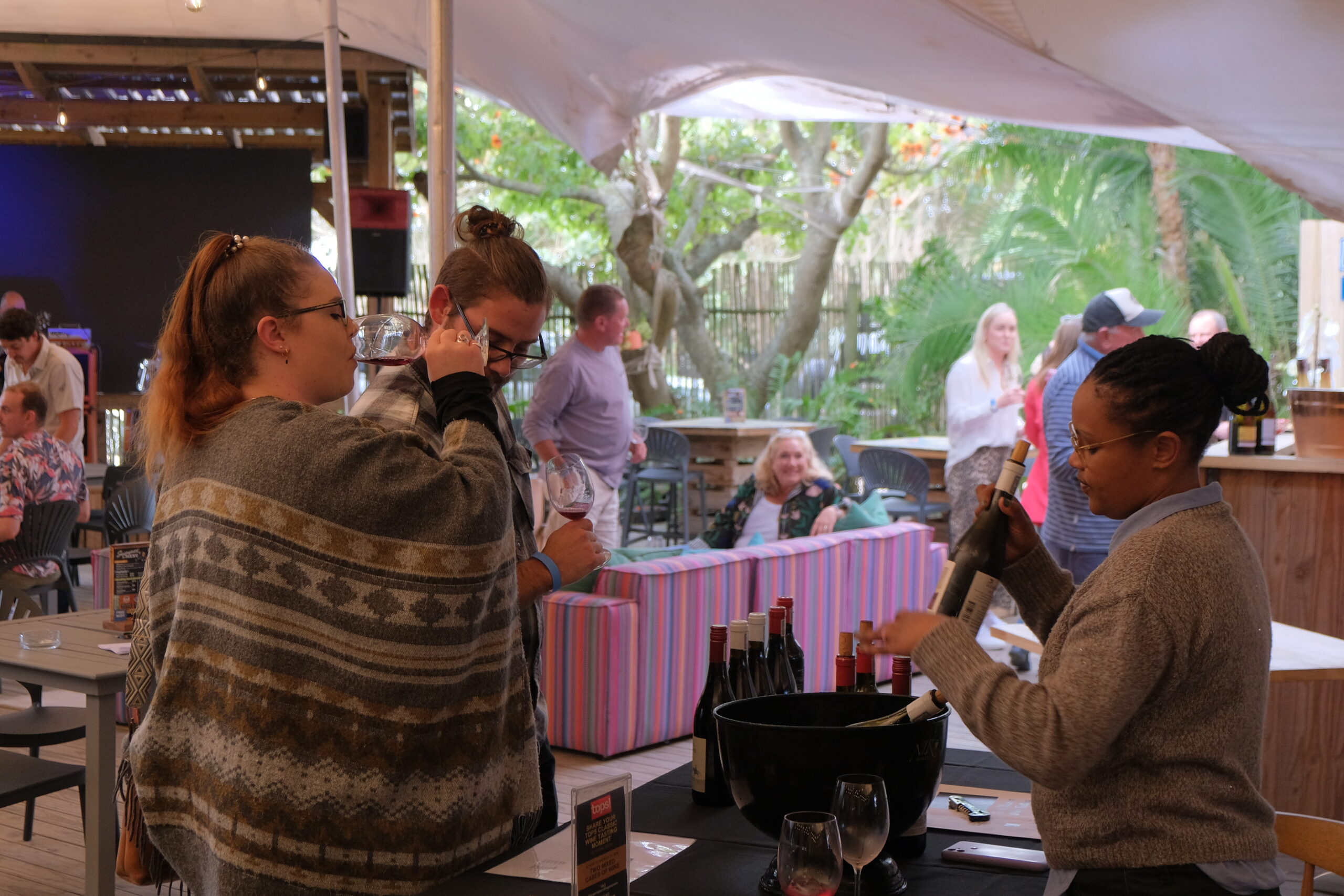
What made the afternoon so enjoyable was that it never felt too formal. You could stop and chat to the people behind the wines, ask questions, discover something completely new or head straight for a label you already knew and loved.
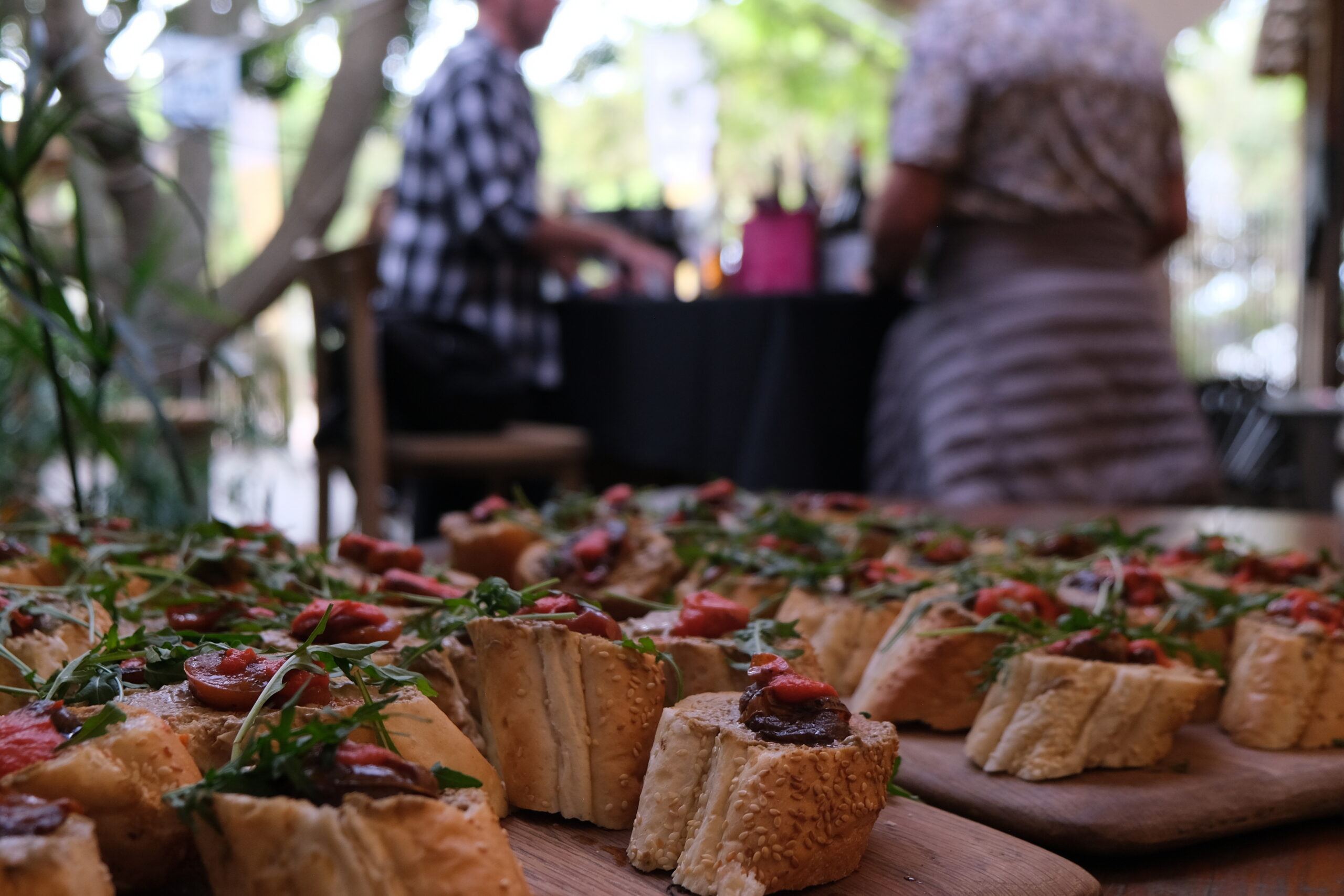
There was live music in the background, light canapés doing the rounds and that easy St Francis rhythm where nobody seemed in too much of a hurry to leave.
And that, really, was what made it such a success.
Yes, the wine line-up was excellent. But it was the community that gave the event its atmosphere.
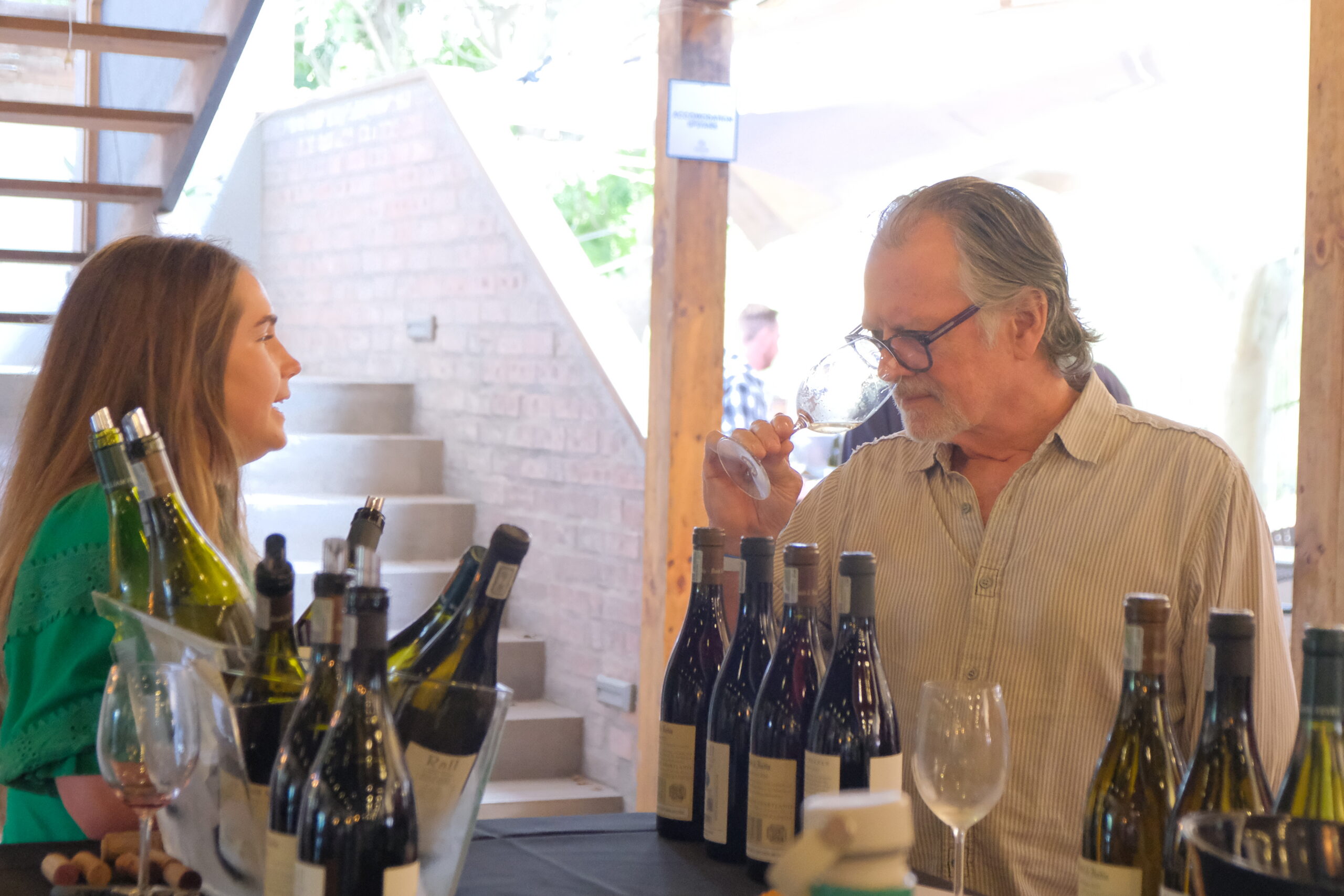
A big thank you must go to every wine farm and producer who made the trip to St Francis Bay, to Barney’s Riverclub for hosting and to the teams behind the scenes who pulled everything together.
Most of all, thank you to everyone who came along and supported the event. It was one of those afternoons that reminded us why local events matter.
Keep an eye on Facebook @supersparvillagesquare for the finer details.
by SFT | Sep 28, 2026 | St Francis
If you thought the fight over electricity prices ended when load shedding paused, your monthly utility bill is about to face its biggest structural overhaul in nearly two decades.
The Department of Electricity and Energy has officially gazetted the Revised Electricity Pricing Policy (EPP 2026). Following widespread public pressure, Minister Kgosientsho Ramokgopa has officially extended the public comment deadline to Wednesday, 28 October 2026. You must have your say.
This policy completely dismantles South Africa’s traditional tariff model. While the state claims it will create transparency and cost-reflectivity, the technical rules introduce major financial consequences for your home and business:
The Outline
- Mandatory Fixed Charges for All Homes: The policy shifts billing away from the electricity you actually use (c/kWh) toward mandatory monthly network and capacity connection fees. Even if you cut your consumption or install rooftop solar, you will face hefty baseline fees simply for being connected to the grid.
- Penalties on Rooftop Solar Exports: If you have grid-tied solar, you will be forced onto Time-of-Use tariffs and made to pay network distribution charges on both the electricity you consume and the excess power you export into the grid. Worse, your export credits cannot be used to offset your fixed monthly network charges.
- Discounted Industrial Deals Paid by Ratepayers: The state plans to expand below-cost Negotiated Pricing Agreements (NPAs) to industrial smelters. Energy experts warn that unless funded externally, paying households and small businesses will be forced to cover the revenue shortfall.
- Who Pays for Expanded Free Electricity? The Minister wants to raise Free Basic Electricity from 50 kWh to up to 300 kWh per month without increasing the national grant budget—raising fears that paying consumers will absorb the cost directly on their bills.
- An End to Hidden Municipal Surpluses: On a positive note, the policy cracks down on municipalities that use hidden electricity markups as slush funds and forbids utilities from passing on runaway theft and bad debts to paying consumers.
Have your say: https://dearsouthafrica.co.za/pdps/
This Is Not a Petition
Petitions are routinely filed away as a single signature. Through the Dear South Africa platform, your comment is captured, formatted, and delivered as an individual legal submission that the Director-General and the Minister are constitutionally mandated to evaluate under the Promotion of Administrative Justice Act (PAJA).
We have broken down this 68-page policy into clear, direct questions so you can have your say on the official ministerial record in under 60 seconds.
Written comments close on Wednesday, 28 October 2026.
Do not let your silence be taken as consent. Have your say right away!
Rob Hutchinson
Founder, Dear South Africa




Recent Comments