by SFT | Sep 28, 2026 | St Francis
There are some events you attend because they are on the calendar. And then there are those that just feel very St Francis.
The TOPS Classic Wine Tasting at Barney’s Riverclub was definitely the latter.
From the moment people started arriving, there was a great energy about the place. Familiar faces, friends catching up, glasses in hand and plenty of conversation as guests worked their way through wines from more than 26 producers.
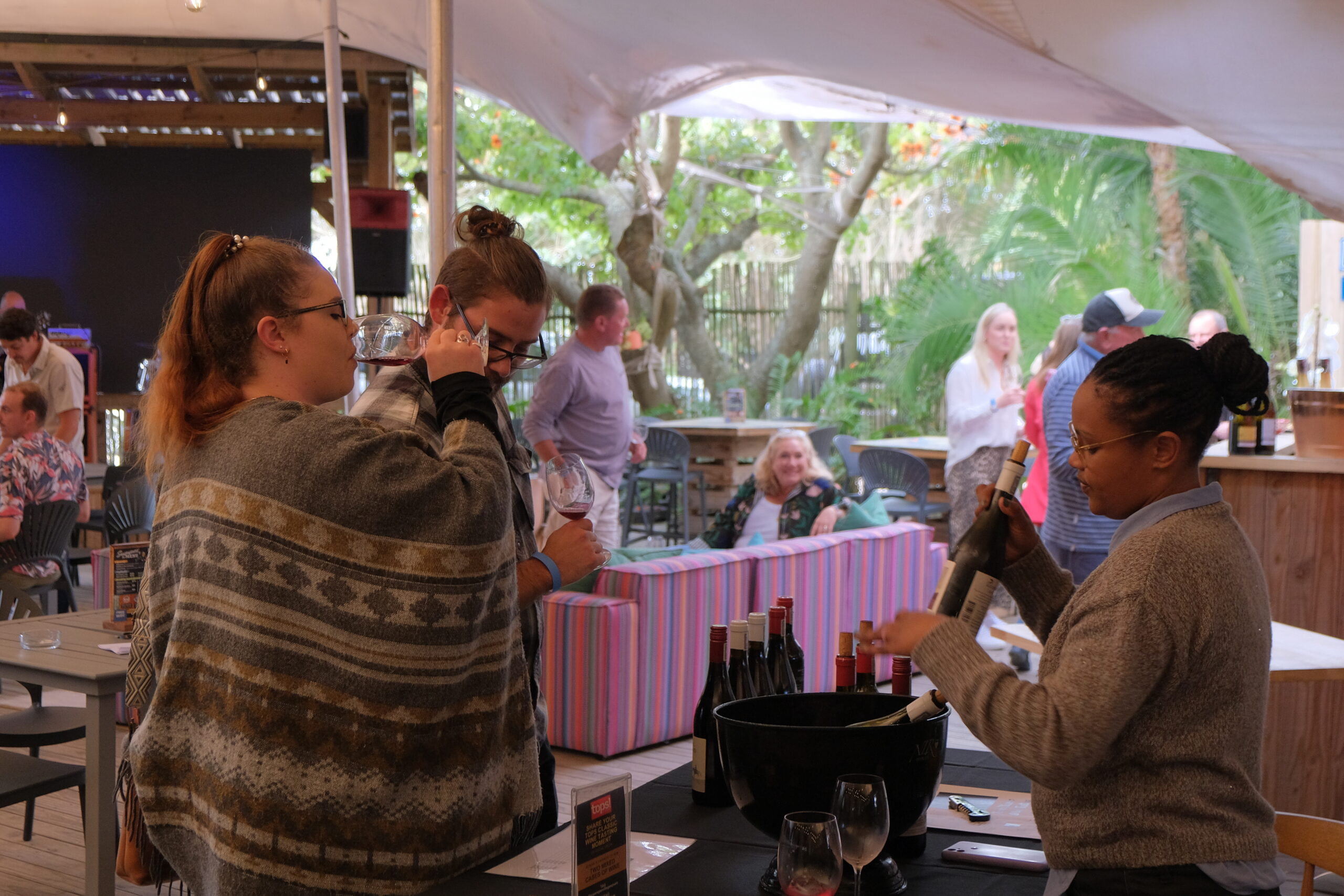
What made the afternoon so enjoyable was that it never felt too formal. You could stop and chat to the people behind the wines, ask questions, discover something completely new or head straight for a label you already knew and loved.
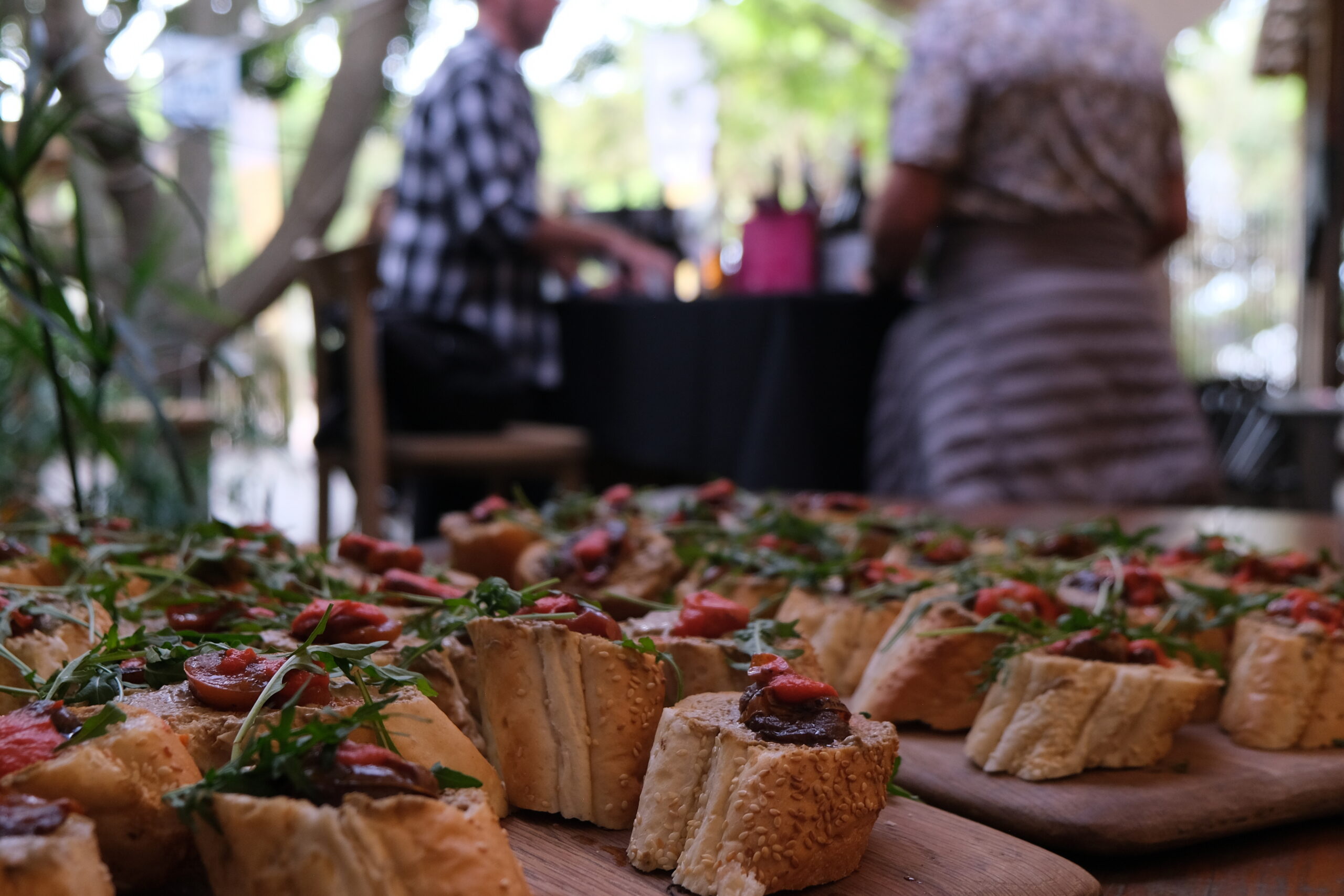
There was live music in the background, light canapés doing the rounds and that easy St Francis rhythm where nobody seemed in too much of a hurry to leave.
And that, really, was what made it such a success.
Yes, the wine line-up was excellent. But it was the community that gave the event its atmosphere.
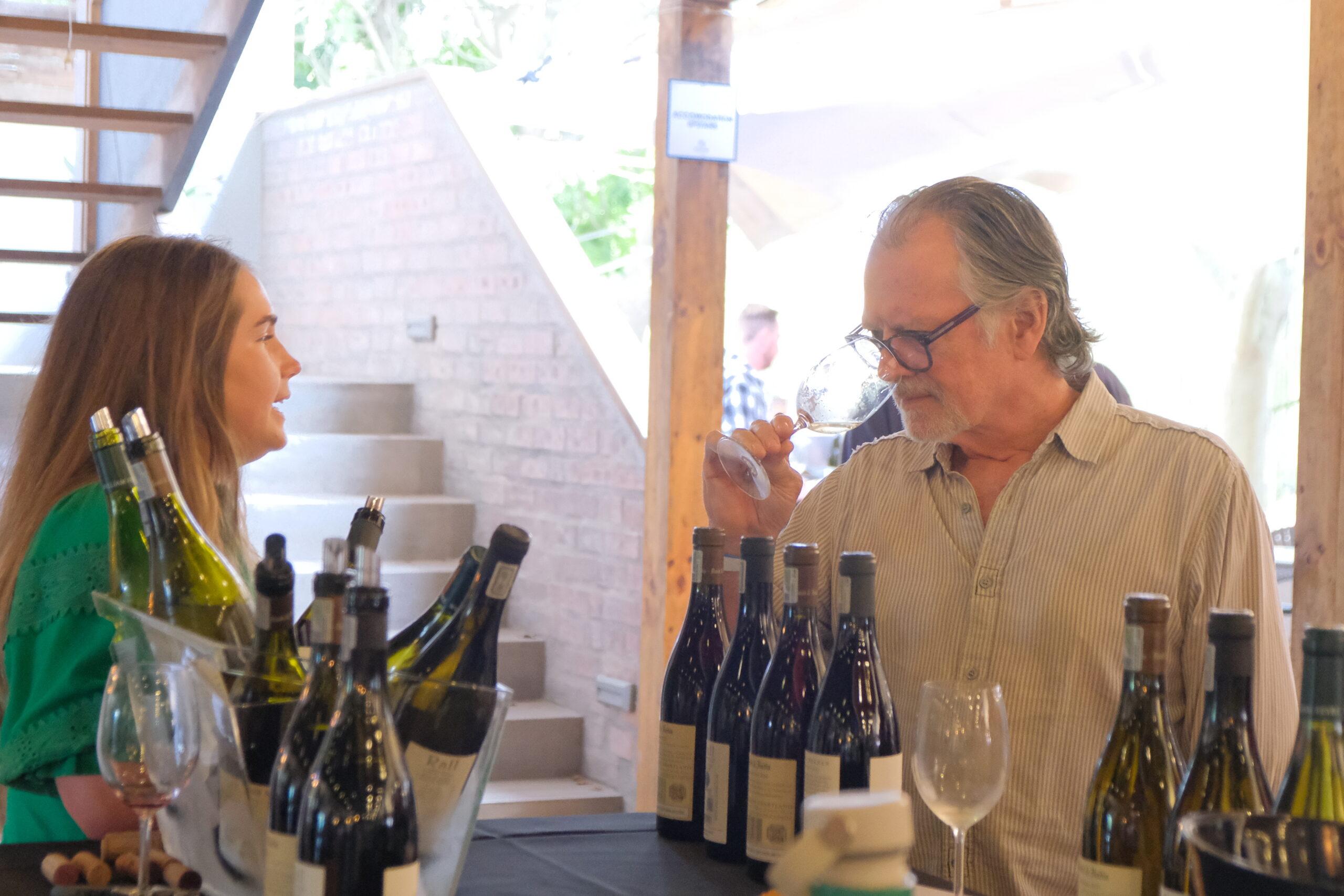
A big thank you must go to every wine farm and producer who made the trip to St Francis Bay, to Barney’s Riverclub for hosting and to the teams behind the scenes who pulled everything together.
Most of all, thank you to everyone who came along and supported the event. It was one of those afternoons that reminded us why local events matter.
Keep an eye on Facebook @supersparvillagesquare for the finer details.
by SFT | Sep 28, 2026 | St Francis
If you thought the fight over electricity prices ended when load shedding paused, your monthly utility bill is about to face its biggest structural overhaul in nearly two decades.
The Department of Electricity and Energy has officially gazetted the Revised Electricity Pricing Policy (EPP 2026). Following widespread public pressure, Minister Kgosientsho Ramokgopa has officially extended the public comment deadline to Wednesday, 28 October 2026. You must have your say.
This policy completely dismantles South Africa’s traditional tariff model. While the state claims it will create transparency and cost-reflectivity, the technical rules introduce major financial consequences for your home and business:
The Outline
- Mandatory Fixed Charges for All Homes: The policy shifts billing away from the electricity you actually use (c/kWh) toward mandatory monthly network and capacity connection fees. Even if you cut your consumption or install rooftop solar, you will face hefty baseline fees simply for being connected to the grid.
- Penalties on Rooftop Solar Exports: If you have grid-tied solar, you will be forced onto Time-of-Use tariffs and made to pay network distribution charges on both the electricity you consume and the excess power you export into the grid. Worse, your export credits cannot be used to offset your fixed monthly network charges.
- Discounted Industrial Deals Paid by Ratepayers: The state plans to expand below-cost Negotiated Pricing Agreements (NPAs) to industrial smelters. Energy experts warn that unless funded externally, paying households and small businesses will be forced to cover the revenue shortfall.
- Who Pays for Expanded Free Electricity? The Minister wants to raise Free Basic Electricity from 50 kWh to up to 300 kWh per month without increasing the national grant budget—raising fears that paying consumers will absorb the cost directly on their bills.
- An End to Hidden Municipal Surpluses: On a positive note, the policy cracks down on municipalities that use hidden electricity markups as slush funds and forbids utilities from passing on runaway theft and bad debts to paying consumers.
Have your say: https://dearsouthafrica.co.za/pdps/
This Is Not a Petition
Petitions are routinely filed away as a single signature. Through the Dear South Africa platform, your comment is captured, formatted, and delivered as an individual legal submission that the Director-General and the Minister are constitutionally mandated to evaluate under the Promotion of Administrative Justice Act (PAJA).
We have broken down this 68-page policy into clear, direct questions so you can have your say on the official ministerial record in under 60 seconds.
Written comments close on Wednesday, 28 October 2026.
Do not let your silence be taken as consent. Have your say right away!
Rob Hutchinson
Founder, Dear South Africa
by SFT | Sep 28, 2026 | St Francis
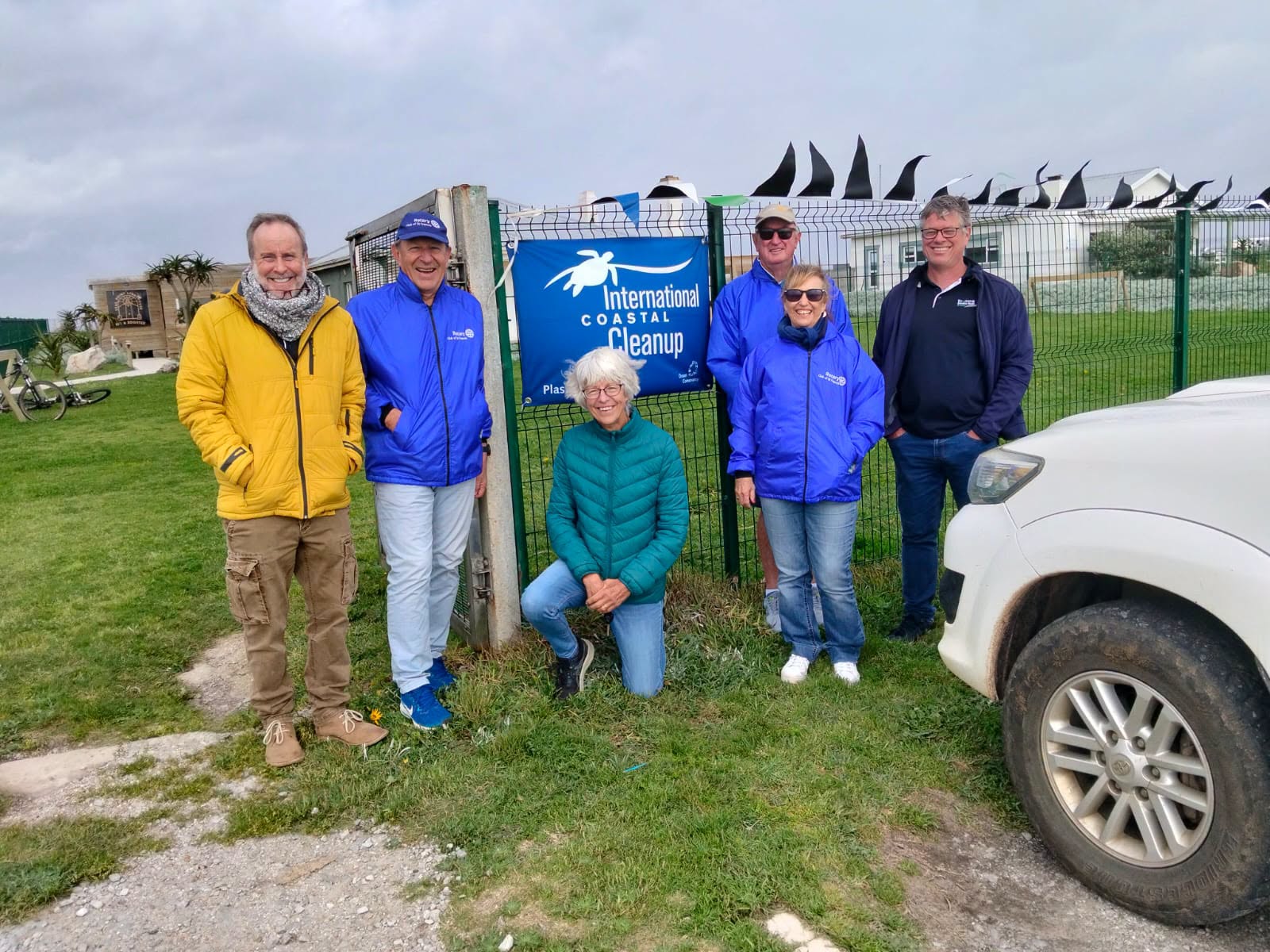
Wind and rain greeted volunteers at the St Francis coastal clean-up on Sunday, 27 September. Even so, they turned out for Kromme Enviro-Trust and spent the morning collecting rubbish along the coast.By the end of the clean-up, volunteers had filled bags and removed a broken chair and three tyres. Their efforts showed what a few hours of community work can achieve, even when the weather makes staying home tempting.
Volunteers Across the Coast
The clean-up ran from 09:00 to 12:00. Participants could start at Sunset Rock car park at the end of Maori Avenue, Seal Point Lighthouse car park, or Bruce’s Ocean Cafe & Museum on Harbour Road.
These meeting points gave volunteers several places to join the effort. Then, despite the conditions, they got on with clearing rubbish from the coastline.
Kromme Enviro-Trust thanked everyone who took part. The organisation gave particular thanks to Rotary for helping to man the collection stations. It also recognised the surfing group at Granny’s Pool, which went all out with its clean-up.
Every Bag Makes a Difference
A broken chair and three tyres are hard to miss. Smaller pieces of rubbish can be just as persistent, however, and collecting them takes time and willing hands. Kromme Enviro-Trust’s message after the event was straightforward: every bag collected makes a difference.
The clean-up also showed how people can contribute in different ways. Some collected rubbish, while others helped at the stations. Together, they kept the effort going through a wet and windy morning.
Residents who would like to help can look out for future clean-ups and other community events. Even a short stint can help care for the beaches and public spaces that people across St Francis and Kouga share.
Source: Kromme Enviro-Trust St Francis
by SFT | Sep 28, 2026 | St Francis
Long before most of the community begins its day, there is already a rhythm of planning, problem-solving and service behind the scenes at Kouga Local Municipality. For Sipho “Ivan” Kamte, almost 21 years in municipal service have taught him that a job is not simply about getting through a list of tasks – it is about people, dignity and leaving a positive mark on the community.
KOUGA – For Sipho Kamte, better known as Ivan, working for Kouga Local Municipality is about more than completing a daily task list. It is about people, service, responsibility and making a difference in his community.
A father of three and a born-again Christian, Kamte joined the municipality in September 2005 after the birth of his first child. He had prayed for an opportunity and applied for a general worker position, but was appointed as a machine operator.
Almost 21 years later, he has grown into a supervisory role, overseeing parks and cemetery-related responsibilities in Humansdorp and St Francis Bay.
Interestingly, municipal work was not what Kamte originally dreamed of.
“My dream job was to be a doctor,” he says.
Today, his role is very different, but his desire to help people remains at the heart of what he does.
Starting the day
Kamte’s working day begins with communication and planning.
“When I arrive at work, I start by gathering everyone – the employees and their supervisors – together and we discuss our weekly tasks,” he explains.
He then checks his emails for urgent matters, attends meetings and deals with issues requiring his attention. In the afternoon, he checks in with supervisors to see how work is progressing.
Planning is particularly important for cemetery services. Kamte and his team prepare schedules for the following day, ensuring everyone knows what needs to be done. His responsibilities include making sure operations are under control and that cemeteries remain clean and properly maintained.
The work behind the scenes
One of the challenges Kamte and his team face is identifying old cemeteries where records are no longer available. Maintaining these spaces can also be difficult when there are damaged fences, livestock entering cemetery grounds, vandalism and drug-related activities that result in graves being damaged.
For Kamte, cemeteries deserve the same care and respect as any important community space.
Weather can also create challenges. Burying a loved one during heavy rain is particularly difficult because wet conditions can damage graves and cause the soil to sink.
Kamte would also like residents to better understand the sensitive circumstances surrounding the reopening of graves where there is insufficient depth for a new burial. These situations require careful consideration and understanding from families.
He believes graves should be properly maintained and filled evenly so families can continue visiting their loved ones in a clean and dignified environment.
Lessons from the job
After years in public service, Kamte says he has learned that everyone is different and deserves respect.
“Always treat people the way you wanted to be treated with respect. Every opinion matters.”
His work has also changed how he views family and life. He believes people should take care of their families and spend time with them while they are alive.
Making a difference
What Kamte enjoys most is knowing that he makes a difference to both the community and his co-workers.
He enjoys helping and motivating employees, resolving complaints and meeting new people. He also values learning about different people and cultures.
One of his most rewarding moments is receiving acknowledgement from his superiors when work has been completed successfully, particularly within the expected timeframe.
Beyond the workplace
Away from work, Kamte enjoys playing golf and spending time with his family. Those who know him may describe him as straightforward, kind and honest.
His faith is also an important part of his life and influences his outlook and approach to others.
Kamte’s advice
His advice to colleagues and anyone entering the workplace is simple: “Treat every workplace as your own business. Respect your co-workers and superiors. Always be a positive person. Ask questions, give your best and respect your work.”
He encourages people to remain willing to learn, ask for help and embrace new opportunities.
His message to residents is equally clear: let us work together to keep our cemeteries clean and ensure our loved ones have a peaceful and dignified resting place.
by SFT | Sep 28, 2026 | St Francis
KOUGA – Twenty-one fourth-year Environmental Health students from Nelson Mandela University accompanied by lecturer Tshepo Phakisi spent a week in Kouga Local Municipality, taking their learning beyond the classroom and into the communities, facilities and environments where Environmental Health comes to life.
From 14 to 18 September 2026, the students embarked on an educational tour designed to give them practical insight into the wide-ranging responsibilities of Environmental Health Services.
Their five-day programme began at the Kouga Local Municipality Main Office in Jeffreys Bay, where they were welcomed and introduced to Municipal Health Services within the context of Kouga Local Municipality.
Up-Close Look
From there, the students have been getting an up-close look at the many aspects of Environmental Health – from compliance and waste management to water quality, sanitation, food safety and environmental awareness.
Their visits included Kouga Funeral Undertakers, where they are learning about inspection and compliance requirements for funeral undertaker premises; and the Humansdorp Landfill Site, where the focus is on waste disposal practices and minimising environmental impact.
The learning continued at the St Francis Bay Sewerage Works, where students explored wastewater treatment, safe sewage disposal and pollution control. At Balobi Seafood Processes, they are gaining insight into seafood preparation, processing and packaging for export in accordance with food safety regulations.
Jeffreys Bay Water Treatment Works
At the Jeffreys Bay Water Treatment Works, the students were introduced to the processes involved in purifying water and ensuring that it is safe for use.
Food safety and hygiene formed another important part of the tour. Visits to ECDC: Noah’s Ark, Pick n Pay at Fountains Mall and the Jeffreys Bay Distillery provided practical exposure to health and hygiene requirements for food premises and the transportation of food.
Visits to a strawberry farm in Hankey, local spaza shops in Humansdorp and a dairy farm milking shed, helped them to gain an appreciation of the role Environmental Health plays across different stages of the food supply chain – from production to processing, transportation and sale.
The tour concluded with a visit to the Jeffreys Bay Labyrinth, where environmental awareness and climate change formed part of the learning experience.
For the students, the tour offered an opportunity to connect theory with the realities of professional Environmental Health practice. For Kouga Local Municipality, it is also an opportunity to share knowledge and give future practitioners a closer look at the work that takes place every day to protect public health, promote safe environments and support healthy communities.
It is learning beyond the classroom – and a reminder that Environmental Health is about far more than inspections. It is about the places where people live, work, eat,





Recent Comments