
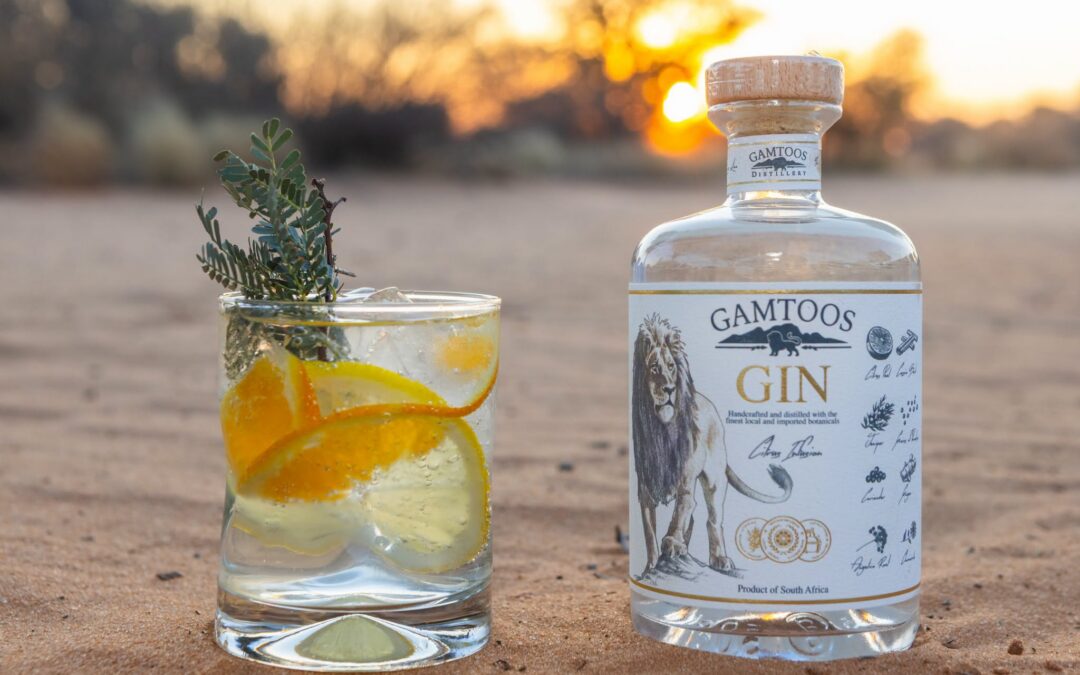
What began as a curiosity with a small still has grown into a proudly local craft spirit carrying the name and story of one of the Eastern Cape’s most distinctive landscapes.
Nestled near Patensie in the Gamtoos Valley, Gamtoos Gin is the creation of owner Johan van der Watt, whose journey into distilling was sparked by an old love for science and chemistry.
Van der Watt studied chemistry at university before taking a very different career path into photography and videography. His work took him around the world, particularly photographing and filming wildlife and safaris. Yet the scientist in him never disappeared.
“Even before COVID-19, the science side of me was still very much there,” he says.
He had already begun researching the possibility of establishing a small distillery on the farm and bought a small still to experiment with. His early creations included potato vodka and spirits made from different fruits, with the focus firmly on understanding the chemistry and possibilities of distillation.
Then COVID-19 changed everything.
With photography and videography work drying up almost overnight in 2020, Van der Watt suddenly had something he had never really had before: time.
He began experimenting more seriously with spirits and botanicals. Of all the products he produced, gin stood out.
“Of everything I tried, the gin was by far the product that worked best and the one I felt had the most potential,” he recalls.
There was no grand commercial plan at the outset. Instead, the distillery evolved organically, one piece of equipment and one experiment at a time.
“I would find a piece of equipment, do more research, make another plan, build another part of the system and gradually put the facility together,” Van der Watt explains.
A spirit with a sense of place
For Van der Watt, creating gin was never only about producing a quality spirit. It was also about telling the story of the valley he calls home.
The Gamtoos Valley is synonymous with citrus farming, and the region’s agricultural character naturally found its way into the product. The name itself was equally important.
Gamtoos is traditionally associated with “The Roaring Lion”, a reference to the tremendous sound and power of the Gamtoos River when it comes down in flood. That powerful imagery became central to the brand, with the lion featuring prominently in its identity.
“It is really the heart of the brand,” says Van der Watt. “Anyone who lives in this valley understands how important the river is. It has shaped the landscape, agriculture and communities here for generations.”
The river, however, has shown both its nurturing and destructive sides. Ironically, the very waterway that inspired the brand has also tested the distillery, with recent flooding causing damage to the facility.
“It can sustain us, but it can also remind us very quickly of the power of nature,” he says.

From Patensie to the bottle
Van der Watt moved to Patensie in 2019, and although he jokes that he did not necessarily choose the location for the distillery, but rather that “the location chose me”, the setting has proved remarkably appropriate.
With the Gamtoos River nearby and citrus farms surrounding the distillery, the location eventually became inseparable from the identity of the gin.
“My family roots are from this valley so I feel at home here,” he says.
Although experimentation began in 2020, Gamtoos Gin only officially entered the market after receiving its liquor licence in April 2024. Securing the licence was a significant milestone, particularly in an industry where navigating the regulatory requirements can be challenging for a small rural producer.
Since then, seeing the product embraced by the local community has been equally rewarding. Gamtoos Gin is available at local establishments such as Tollbos and Padlangs in Patensie.
Crafted for balance
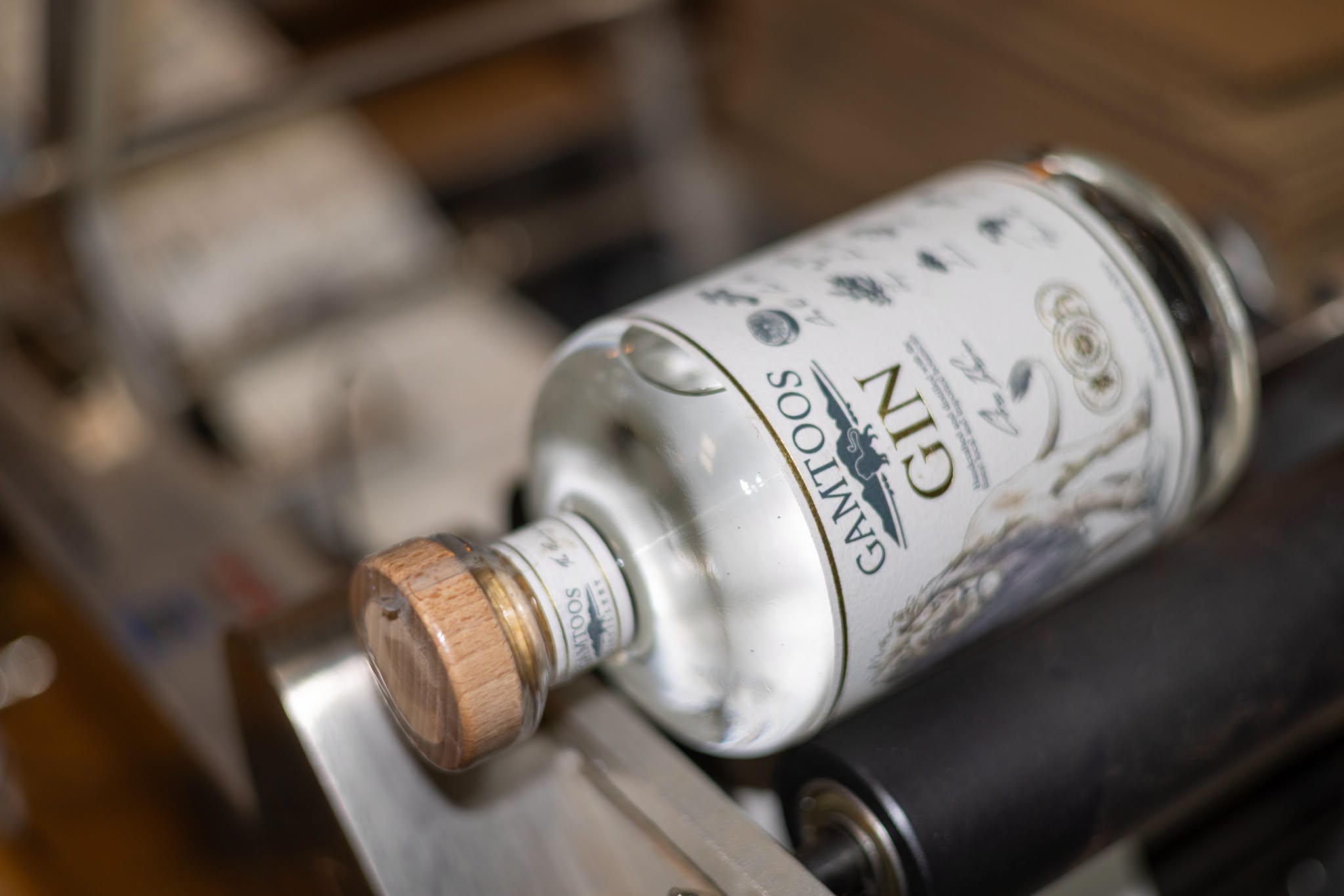
Behind every bottle is a carefully developed recipe designed to showcase a traditional gin character while adding a distinctly local touch.
The gin uses a clean grain-based spirit as its foundation, providing what Van der Watt describes as a neutral and smooth “blank canvas”. The botanicals are then introduced through vapour infusion.
“Juniper is obviously the foundation of gin and provides that distinctive piney and aromatic character,” he explains.
Coriander contributes citrus and spice notes, while angelica root adds earthy depth and helps bring the botanicals together. Grains of paradise provide gentle peppery warmth, with cassia bark adding another layer of subtle spice.
The citrus component completes the profile, bringing freshness without overpowering the juniper.
“We wanted to make a very smooth, approachable gin with a traditional juniper backbone, subtle spice and just enough citrus to give it freshness without allowing the citrus to dominate,” says Van der Watt.
The result is intended to be versatile enough to enjoy with a traditional tonic, mixed with orange juice or even sipped neat.
A little room for experimentation
While the core recipe remains consistent, Van der Watt occasionally uses seasonal ingredients to create subtle variations.
“The core botanical recipe and ratios actually remain exactly the same from batch to batch,” he says. “What we occasionally change is the final flavour component.”
One example was a small batch made for Mooihoek, where strawberry was added as an additional component. Lime has proved particularly popular and is used when available.
This approach allows the distillery to experiment without losing the fundamental character of Gamtoos Gin.
More than a bottle
For Van der Watt, the relationship between Gamtoos Gin and the agricultural community is fundamental.
“Gamtoos Gin would have very little meaning without the Gamtoos Valley and its agricultural community,” he says.
The citrus industry is not simply an ingredient source or backdrop to the brand. It represents generations of farming knowledge, livelihoods and a deep connection to the land.
“We want Gamtoos Gin to become another product that people can associate proudly with the valley,” he explains.
That sense of place is perhaps the greatest difference between Gamtoos Gin and a spirit produced anywhere else.
“All gins aren’t created equal,” Van der Watt says. “With craft gin I think what makes a product special is often about more than simply the recipe. It is also the story behind it, the person who created it, why it was created and where the ingredients come from.”
A taste of the Gamtoos Valley
Although the distillery is not currently set up as a formal tasting or visitor facility, the bottle itself serves as an ambassador for the valley.
Every bottle that leaves Patensie carries the name Gamtoos beyond the valley, potentially introducing new audiences to the region’s citrus farms, river, mountains, Baviaanskloof and rural communities.
“The Gamtoos Valley has far more to offer than many people realise,” says Van der Watt.
For a small rural craft business, building a brand comes with its share of challenges, from production costs and regulatory compliance to packaging, logistics and getting an emerging product onto the shelves.
The floods have added another dimension, demonstrating the resilience required to operate so closely alongside the Gamtoos River.
“A small business doesn’t have endless resources or departments to solve every problem, so you learn to be practical and resilient,” says Van der Watt.
Growing without losing the story
Looking ahead, the ambition is to grow Gamtoos Gin carefully while preserving the authenticity that lies at its heart.
Van der Watt hopes to expand the brand’s presence across the Eastern Cape and eventually further afield through selected restaurants, lodges, retailers and other outlets that appreciate both quality and provenance.
But the ultimate goal remains simple.
“More than anything, when somebody discovers Gamtoos Gin, I would like them to discover a little bit of the Gamtoos Valley with it,” he says.




Recent Comments